
glass partition walls for offices
The Importance of High-Quality Spirit Levels in Construction and Carpentry In the world of construction and carpentry, precision is paramount. One of the most essential tools in achieving that precision is the spirit level. A high-quality spirit level is not just an accessory; it is an indispensable instrument that helps ensure every project—from building a house to hanging a picture—is perfectly aligned. This article explores the significance of high-quality spirit levels, their features, and why investing in the right tool can make a considerable difference in your work. Understanding Spirit Levels Spirit levels, often known as bubble levels, are instruments used to establish a horizontal (level) or vertical (plumb) plane. The classic spirit level consists of a liquid-filled tube with an air bubble inside. When the bubble is centered between two lines, it indicates that the surface is perfectly level. While simple in design, the accuracy of a spirit level is critical to the construction process, affecting everything from the stability of structures to the aesthetic appeal of finished projects. The Need for Precision In construction, even a slight misalignment can lead to catastrophic failures. Uneven surfaces can compromise the structural integrity of buildings, resulting in safety hazards and costly repairs. For carpenters and builders alike, using a high-quality spirit level allows them to achieve the exact measurements necessary for their work. Whether it's laying a foundation, installing doors and windows, or during the framing of walls, having precise alignments is crucial. Features of High-Quality Spirit Levels When selecting a spirit level, several features distinguish high-quality levels from their lower-quality counterparts. 1. Material Quality Top-tier spirit levels are often made from aircraft-grade aluminum or reinforced plastic, making them lightweight yet durable . This ensures that they can withstand the wear and tear of job sites while maintaining their accuracy. high quality spirit levels 2. Accuracy A high-quality spirit level typically offers enhanced accuracy, often to within ±1/32 inch over 72 inches. This level of precision is important for larger projects, where even minor discrepancies can be magnified. 3. Vial Types Most high-quality spirit levels utilize multiple vials that can measure both horizontal and vertical alignment. Some levels even include a 45-degree vial. The visibility of the bubble is essential; thus, superior levels often have vials that feature bright contrast colors to enhance readability. 4. Protective Features Many top-end spirit levels come with protective features such as shock-absorbing end caps and heavy-duty cases. These prevent damage from drops or impacts, especially on rough job sites, ensuring that the tool remains accurate over time. 5. Length Variations High-quality spirit levels come in various lengths, from small pocket-sized options to larger models for significant projects. A longer spirit level can provide added stability and precision over extensive spans, while smaller models are perfect for detail work. The Cost-Effectiveness of Investing in Quality While high-quality spirit levels may come with a higher upfront cost, they provide significant long-term value. Cheaper levels may save money initially, but the likelihood of inaccurate readings can lead to poor project outcomes, requiring additional time and resources to fix mistakes. By investing in a high-quality spirit level, professionals and DIY enthusiasts can ensure greater accuracy, leading to efficient work and superior results. Conclusion In conclusion, a high-quality spirit level is an essential tool for anyone involved in construction or carpentry. It enhances accuracy and efficiency, leading to better outcomes on every project. As precision remains a cornerstone of skilled craftsmanship, the value of investing in a top-tier spirit level cannot be overstated. Whether you are a professional contractor or a weekend warrior taking on home improvement tasks, selecting and utilizing a high-quality spirit level will help you achieve the alignment success that every project deserves. After all, in the world of construction, the difference between a job well done and one requiring rework often lies within the simple precision of a spirit level.
about
glass partition walls for offices
How to Turn Off the Main Water Valve A Step-by-Step Guide If you're a homeowner, understanding how to turn off your main water valve is an essential skill. This knowledge can save you from significant damage in case of plumbing emergencies, such as a burst pipe. While it might seem daunting, turning off the main water supply is a straightforward process. In this article, we’ll walk you through the steps to safely shut off the main water valve in your home. Why You Might Need to Turn Off the Main Water Valve There are several situations in which you may need to turn off the main water valve 1. Plumbing Repairs If you’re planning to perform plumbing repairs or installations, you will want to shut off the main supply to prevent water from leaking or causing flooding. 2. Pipe Leaks In an emergency situation, such as a burst pipe, turning off the valve can help control the damage until you can make arrangements for repairs. 3. Home Renovations Before starting any major renovation work that might involve plumbing, it’s advisable to turn off the water supply. 4. Vacation Prep If you’ll be away from home for an extended period, turning off the main water valve can help prevent potential leaks or water damage. Locating Your Main Water Valve Before you can turn off the main water supply, you need to locate the main water valve in your home. Typically, this valve is found near where the water line enters your house. Here are common locations - Basement If your home has a basement, the main water valve is usually located near the front foundation wall. - Crawl Space For homes on a slab or with a crawl space, look for the valve close to the exterior wall. - Garage In some cases, the main valve might be located in the garage, especially if that’s where the water line enters the house. how to turn off main water valve The valve is often a round or oval-shaped knob or lever, and it may be made of metal or plastic. Steps to Turn Off the Main Water Valve Now that you’re ready to turn off the main water valve, follow these steps 1. Prepare Before you start, gather any necessary tools such as a wrench, if the valve is stuck, and have towels ready in case of any spills. 2. Turn Off the Valve - If you have a gate valve (the round knob type), turn it clockwise (right) until it stops. This type of valve requires multiple turns to close completely. - If it’s a ball valve (the lever type), simply turn the lever a quarter turn so that it is perpendicular to the water line. 3. Check for Water After turning off the valve, run a faucet to check if the water supply has been successfully turned off. If water still flows, ensure you’ve turned the valve completely. 4. Drain the Lines To relieve pressure and ensure all water is out of the pipes, you can turn on the highest faucet in your house. This will help drain remaining water from the pipes. 5. Perform Your Repairs Now that the main water supply is turned off, proceed with your plumbing repairs or maintenance tasks. 6. Turning the Water Back On After completing repairs, ensure all faucets are closed, then turn the main water valve counterclockwise (left) until it’s fully open. Run the faucets to clear air from the lines and check for any leaks. Conclusion Understanding how to turn off the main water valve in your home is vital for effective home maintenance and emergency preparedness. By familiarizing yourself with the location of the valve and practicing the steps to turn it off, you can protect your home from water-related disasters. Whether you’re dealing with routine plumbing tasks, preparing for an absence, or addressing an emergency, knowing how to control your water supply is essential.
-

High quality industrial productsagement

High quality industrial products
View Details -

Meet the diverse needs of customers

Meet the diverse needs of customers
View Details -

Strict quality control

Strict quality control
View Details -

Top raw materials

Top raw materials
View Details -

Trusted supplier

Trusted supplier
View Details
Our application

news and information

Versatile Welding Table Clamping Kit for Secure Workholding Solutions
The Essential Guide to Welding Table Clamp Kits Welding is an essential skill in many trades, from m
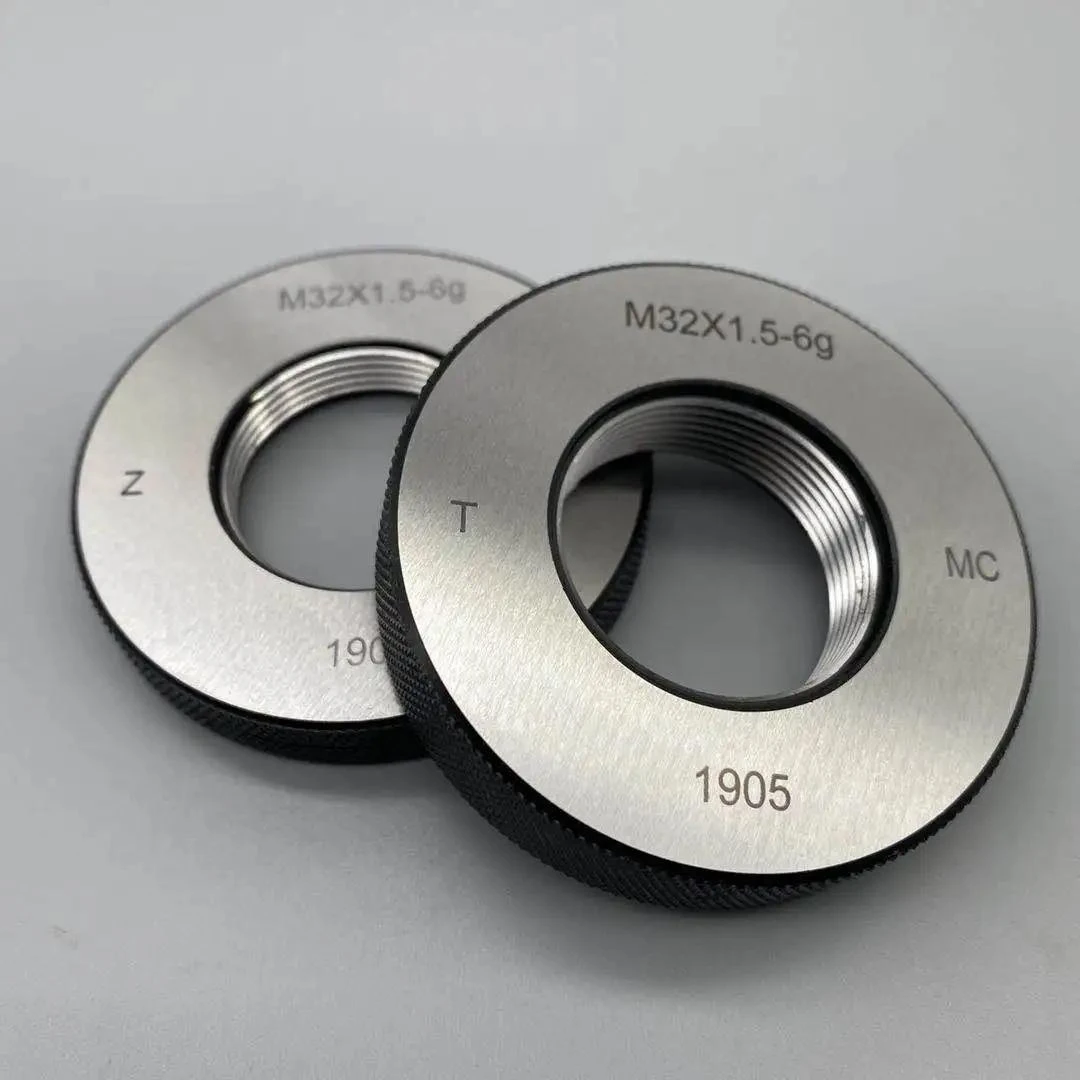
Using Thread Ring Gauges for Accurate Measurement and Quality Control in Manufacturing Processes
The Importance of Thread Ring Gauges in Quality Assurance In the world of manufacturing and engineer
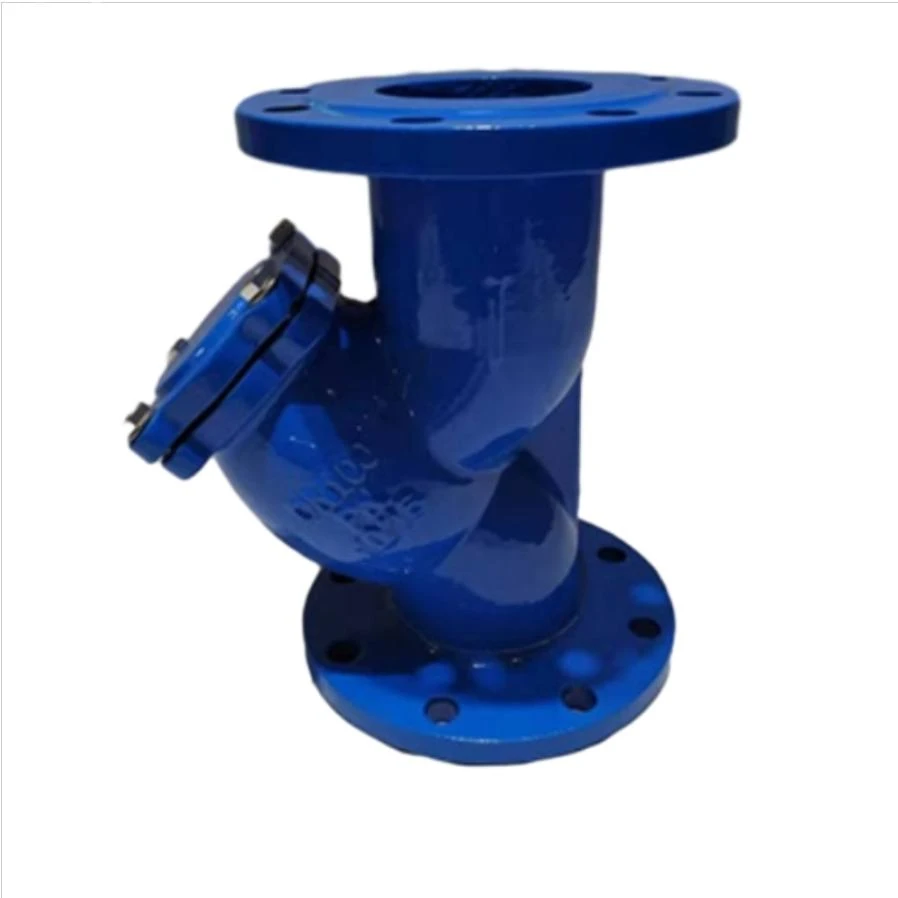
v frames
The Evolution and Impact of V Frames in Modern Visual Media In the rapidly evolving landscape of vis
 English